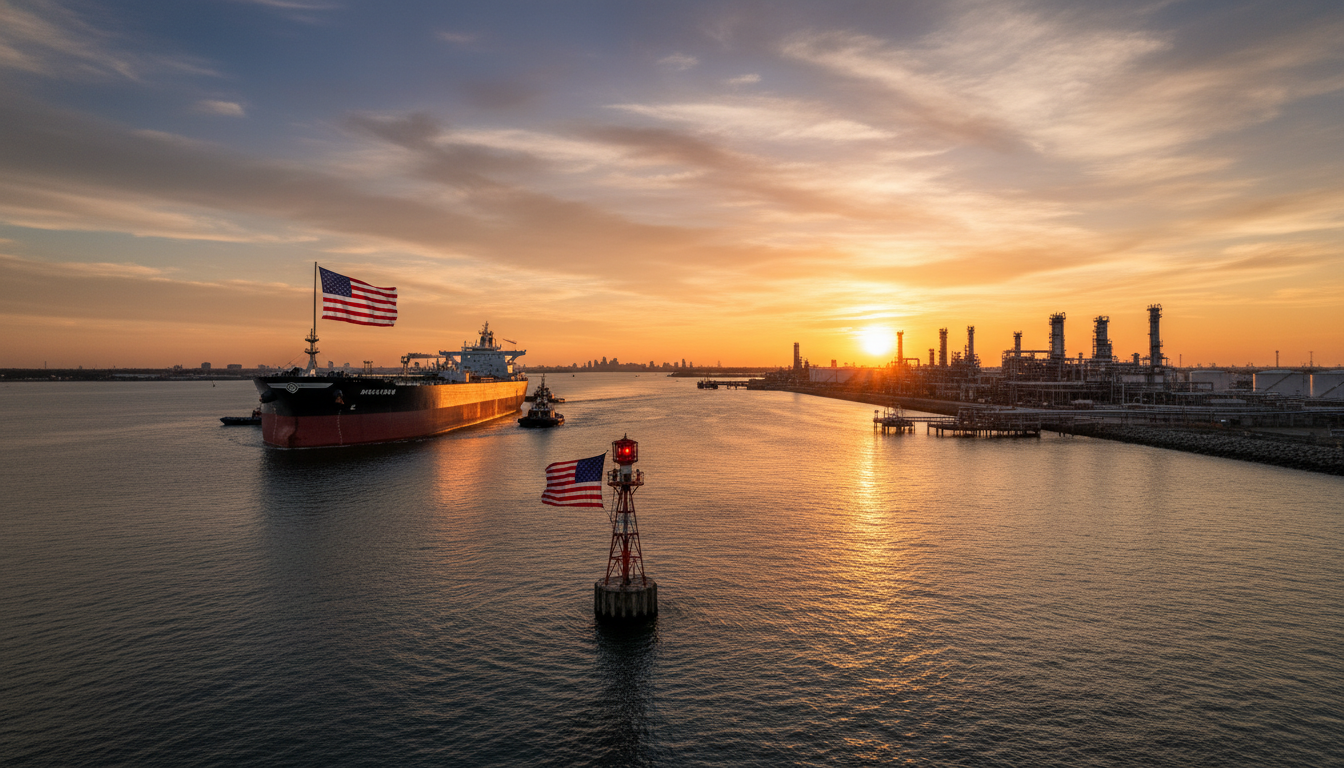
The Trump administration has officially issued a 90-day extension of a critical shipping waiver, allowing foreign-flagged vessels to continue transporting energy and agricultural products between U.S. ports through mid-August 2026. The move, announced on April 24, 2026, is a strategic attempt to stabilize domestic prices as the global energy market reels from the closure of the Strait of Hormuz.
Key Takeaways
- Duration: A 90-day extension moves the waiver expiration from May to mid-August 2026.
- Scope: The waiver covers 659 specific products, including crude oil, ethanol, and fertilizer.
- Impact: Since March, foreign tankers have moved 9 million barrels, increasing active U.S. shipping capacity for these routes by 70%.
- Opposition: Domestic maritime groups argue the move undermines the Jones Act and national security.
Trust Block: Why This Matters to Investors
For accredited investors in the oil and gas sector, this waiver extension represents a critical temporary bridge for domestic logistics. By bypassing the 1920 Jones Act requirements, the administration is effectively lowering the cost of transporting crude from the Gulf Coast to East Coast refineries, though it creates significant regulatory friction with the U.S. maritime industry.
White House spokeswoman Taylor Rogers framed the extension as a necessary tool for "certainty and stability" during the ongoing conflict with Iran. The U.S. Department of Defense (DoD) reportedly requested the initial waiver on national security grounds, citing a shortage of qualified U.S.-flagged vessels to meet the combined demands of military and civilian energy needs.
The Jones Act Controversy
The 1920 Jones Act requires goods moved between U.S. ports to be carried on ships that are U.S.-built, owned, and crewed. Aaron Smith, President of the Offshore Marine Service Association (OMSA), has been a vocal critic of the extension, stating that the administration is "selling out" the American maritime industry. Critics argue that reliance on foreign vessels during a crisis discourages future investment in the U.S. fleet, potentially creating a long-term vulnerability.
Economic and Geopolitical Implications
With Brent Crude recently topping $95 per barrel and roughly 13 million barrels of oil per day removed from the global market due to the Strait of Hormuz closure, the administration is under intense pressure. The August expiration date notably brings the waiver closer to the 2026 midterm elections, a period where energy-driven inflation traditionally dictates voter sentiment.
U.S. Customs and Border Protection (CBP) continues to monitor the list of 659 exempt products, which currently focuses on mitigating high costs for fuel and fertilizer. Whether this list will expand remains a primary question for market analysts if the geopolitical situation in the Middle East escalates further.
Related coverage: Understanding the Jones Act in Energy Logistics | Strait of Hormuz Closure: Global Impact Report