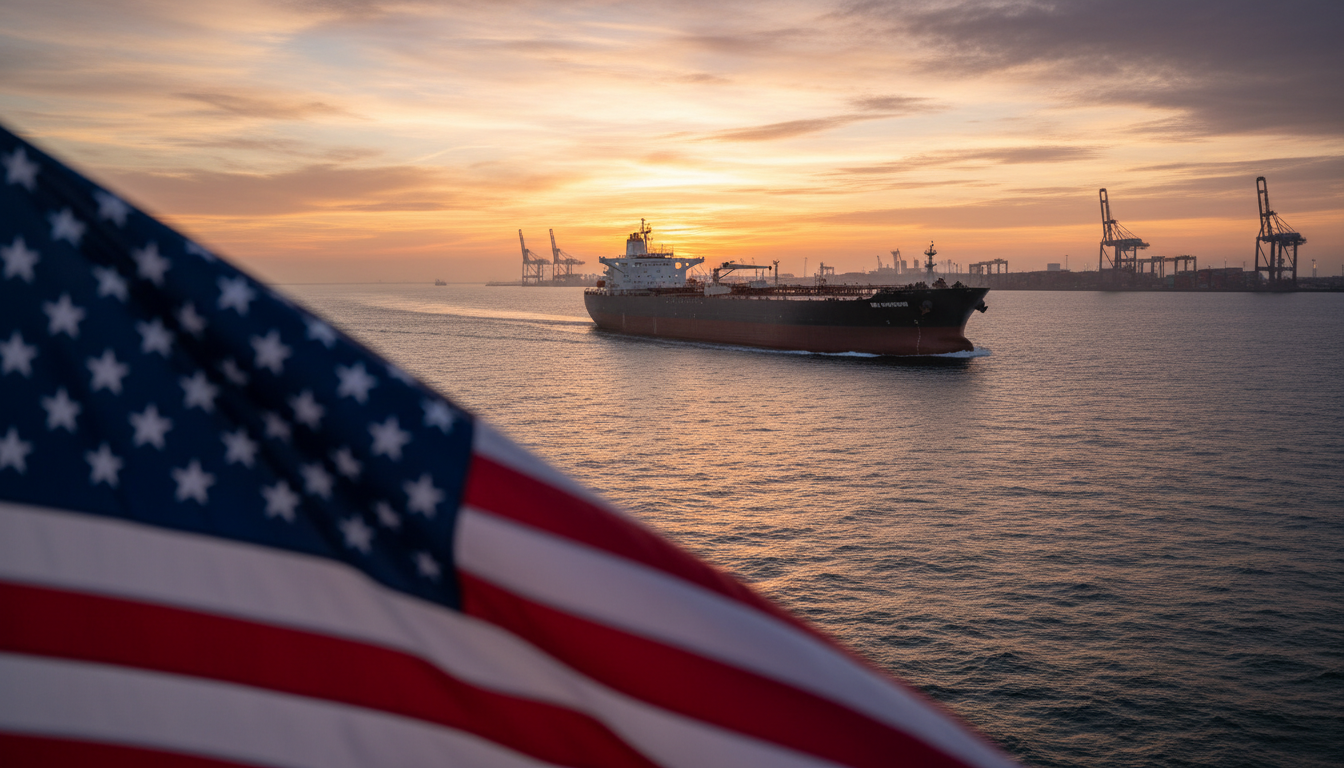
WASHINGTON, D.C. — The Trump administration has officially authorized a 90-day extension of the Jones Act shipping waiver, a move designed to buffer the U.S. economy from the cascading effects of the ongoing maritime blockade in the Middle East. Announced on May 4, 2026, the extension will now remain in effect through mid-August 2026.
Strategic Response to Maritime Volatility
White House Spokeswoman and Assistant Press Secretary Taylor Rogers confirmed the decision, stating that the extension is necessary to provide "certainty and stability" for the domestic energy market. The waiver was originally set to expire on May 17, but the White House moved three weeks early to allow shippers to book July and August cargoes with confidence.
The Department of Defense (DoD) initiated the request, citing critical national defense needs. According to the DoD, the current U.S.-flagged fleet—numbering fewer than 100 oceangoing vessels—is insufficient to handle the massive internal redistribution of fuel necessitated by the conflict in the Strait of Hormuz.
The Iran Crisis and Supply Realities
The urgency stems from a continued standoff between the U.S. Navy and the Iranian government. The blockade of the Strait of Hormuz has effectively removed approximately 13 million barrels of oil per day from global circulation. This deficit has forced the United States to pivot toward internal logistics, moving crude oil and refined products from the Gulf Coast to energy-starved hubs on the East Coast and remote regions like Hawaii.
U.S. Customs and Border Protection (CBP) has identified 659 specific product categories covered under this waiver. Beyond crude oil and gasoline, the list includes diesel, jet fuel, and essential agricultural fertilizers required for the spring and summer planting seasons.
Industry Friction: Protectionism vs. Pragmatism
The move has drawn sharp criticism from domestic maritime advocacy groups. Aaron Smith, President of the Offshore Marine Service Association (OMSA), and Jennifer Carpenter, CEO of the American Waterways Operators (AWO), have argued that the waiver undermines the Merchant Marine Act of 1920. They contend that bypassing the requirement for U.S.-built and U.S.-crewed ships "sells out" American workers and discourages future investment in domestic shipbuilding.
Conversely, refiners and agricultural shippers have lauded the administration’s pragmatic approach. Without the flexibility to utilize foreign-flagged tankers, analysts warn that fuel prices at the pump could reach record highs just months before the November midterm elections.
Investor Outlook
For accredited investors in the oil and gas sector, the extension provides a temporary reprieve from logistical bottlenecks. However, the long-term question remains: at what point does a "temporary" waiver become a permanent fixture? The administration has not yet defined a clear exit strategy, such as a specific oil price threshold or a required de-escalation in the Middle East, before allowing the Jones Act to return to full enforcement.
Editorial Note: This report was produced by Alt Edge Publishing and has undergone editorial review to ensure accuracy and compliance with newsroom standards for accredited investor audiences.
Sources: White House Press Briefing (May 4, 2026); Department of Defense Logistics Oversight Report; U.S. Customs and Border Protection Product Registry; Interviews with OMSA and AWO leadership.
The Global Supply Gap
13 Million: The number of barrels of oil per day removed from the global market due to the ongoing Iranian blockade of the Strait of Hormuz.
Industry Pushback
Maritime advocacy groups like OMSA warn that frequent waivers discourage the investment needed to build a robust, U.S.-flagged merchant marine fleet.
FAQ
What is the Jones Act?
The Jones Act, or the Merchant Marine Act of 1920, is a federal law that requires goods shipped between U.S. ports to be carried on ships that are built, owned, and operated by United States citizens or permanent residents.
Why did the White House issue a waiver?
The waiver was issued as a national defense measure to address the energy supply crisis caused by the blockade of the Strait of Hormuz, which has significantly restricted global oil flows and forced a reliance on domestic redistribution that exceeds current U.S. shipping capacity.